Blog
Sensory Overload Survival Guide: Share Your Tips & Tricks!
July 12, 2024
Sensory Overload Survival Guide: Share Your Tips & Tricks!
Key Takeaways
- Sensory overload happens when one or more of the body's senses becomes over-stimulated by the environment, and it can look different for each person - loud noises overwhelm some people, while crowded spaces or strong scents affect others.
- Creating a quiet, comforting retreat space at home - using tools like dimmable lights, soft blankets, or a white noise machine - gives you somewhere to go when you feel overwhelmed.
- Sensory tools such as noise-cancelling headphones, earplugs, sunglasses, or a small soothing-textured object can help reduce or manage overwhelming sensory input.
- Regular mindfulness and meditation can help you recognize your triggers and respond to them more calmly, and guided-meditation apps like Headspace or Calm are designed to help with anxiety and stress.
- Self-care basics - regular exercise, a healthy diet, and adequate sleep - along with planning ahead and setting boundaries with others, all support your ability to cope with sensory overload.
In our bustling, always-connected world, sensory overload has become a common challenge for many. Sounds, sights, smells, textures, and tastes – our senses are bombarded constantly, often leading to feelings of anxiety, stress, or overwhelm. But fear not! There are strategies and lifestyle changes that can help manage and mitigate the effects of sensory overload. Here’s a guide filled with tips and tricks, sourced from those who’ve navigated these waters before.
Understanding Sensory Overload
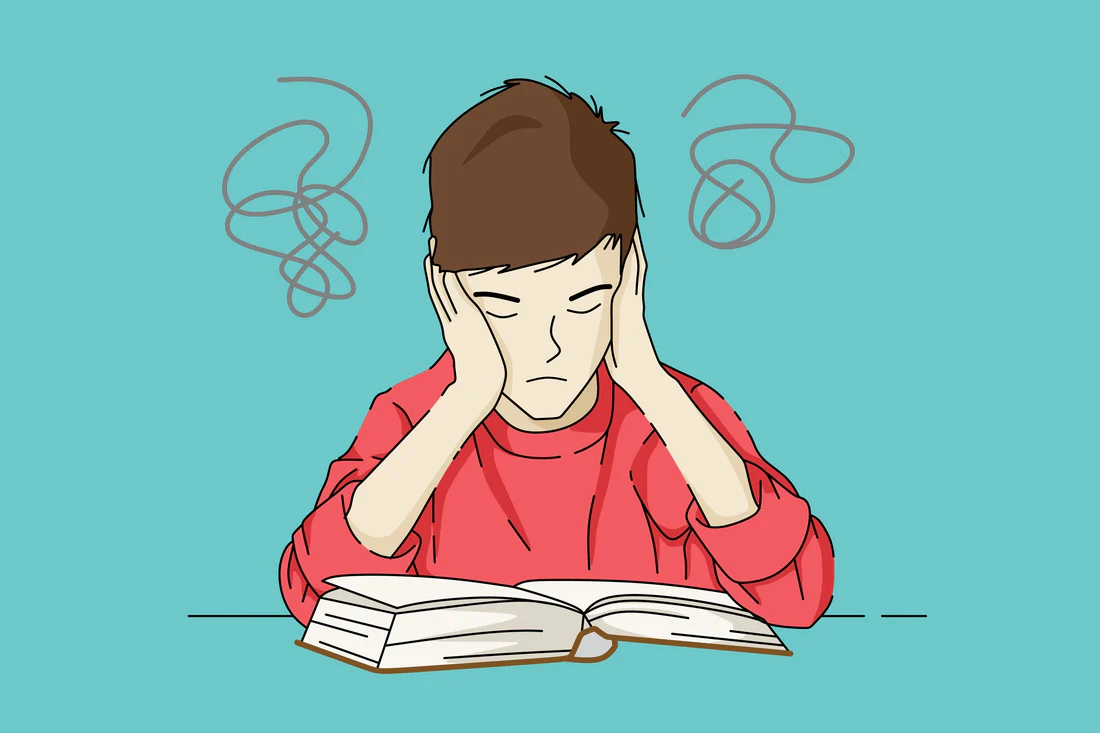
Sensory overload occurs when one or more of the body’s senses experiences over-stimulation from the environment. This can vary widely among individuals, with some finding loud noises overwhelming, while others might react to crowded spaces or strong scents.
Strategies to Manage Sensory Overload
-
Create a Safe Space
- Tip: Find or create a quiet, comforting space in your home where you can retreat to when feeling overwhelmed. This could be a bedroom, a study, or even a closet — anywhere you can limit external stimuli.
- Trick: Use dimmable lights, soft blankets, or a white noise machine to make the space more soothing.
-
Use Sensory Tools
- Tip: Noise-cancelling headphones are a game-changer for reducing auditory input in loud environments.
- Trick: Carry a small, discreet object with a texture you find soothing (like a smooth stone or a piece of soft fabric) to focus on during overwhelming moments.
-
Practice Mindfulness and Meditation
- Tip: Regular practice of mindfulness and meditation can help you become more aware of your triggers and better at managing your reactions to sensory overload.
- Trick: Apps like Headspace or Calm offer guided meditations specifically designed to help with anxiety and stress.
-
Establish Boundaries and Advocacy
- Tip: Be open with friends, family, and colleagues about your sensitivity to certain stimuli and what they can do to help minimize your exposure.
- Trick: Wear earplugs or sunglasses in situations where you can’t control the environment to help manage your sensory input.
-
Plan Ahead
- Tip: When going to potentially overwhelming places (like concerts, festivals, or crowded public spaces), plan your visit at less busy times or identify quiet spots where you can take breaks.
- Trick: Download maps or apps related to the location beforehand so you can easily find your way to less crowded or quieter areas.
-
Prioritize Self-Care
- Tip: Regular exercise, a healthy diet, and adequate sleep can significantly impact your ability to cope with sensory overload.
- Trick: Incorporate activities into your routine that you know help you unwind, like reading, taking baths, or doing gentle yoga.
Community Input
This guide is just a starting point. The beauty of sharing experiences is that everyone has unique coping mechanisms. What works for one person might be a revelation for another. Have you developed any specific strategies or tips that help you deal with sensory overload? Share your thoughts and suggestions in the comments below — your insight could be a lifeline for someone else in our community.
Remember, sensory overload doesn’t have to control your life. With the right tools and strategies, you can manage its effects and experience the world on your terms.
Frequently Asked Questions
What is sensory overload?
Sensory overload occurs when one or more of the body's senses experiences over-stimulation from the environment. It varies from person to person, with some finding loud noises overwhelming and others reacting to crowded spaces or strong scents.
How can I help my child manage sensory overload at home?
Find or create a quiet, comforting space - such as a bedroom, study, or even a closet - where you can retreat to limit external stimuli when feeling overwhelmed. Making it soothing with dimmable lights, soft blankets, or a white noise machine can help.
What tools help with sensory overload in loud or crowded places?
Noise-cancelling headphones can reduce auditory input in loud environments, and earplugs or sunglasses can help when you can't control the surroundings. Carrying a small object with a soothing texture, like a smooth stone or soft fabric, also gives you something to focus on during overwhelming moments.
How do you prepare for a busy event when you get overwhelmed easily?
Plan your visit to potentially overwhelming places like concerts, festivals, or crowded spaces during less busy times, and identify quiet spots where you can take breaks. Downloading maps or apps for the location beforehand makes it easier to find quieter areas.
Can lifestyle habits make a difference in coping with sensory overload?
Yes - regular exercise, a healthy diet, and adequate sleep can significantly affect your ability to cope. Adding unwinding activities to your routine, such as reading, taking baths, or gentle yoga, can also help.

Quick Summary: Supporting adults with autism in the workplace requires targeted accommodations that address sensory sensitivities and communication differences. Effective

Quick Summary: Physical therapy is a highly effective, evidence-based treatment for individuals with Autism Spectrum Disorder (ASD). It focuses on

Quick Summary: An Individualized Education Program (IEP) provides specialized instruction and related services for students who need customized educational support

Quick Summary: There is no single treatment for Autism Spectrum Disorder (ASD), as every autistic individual has unique strengths and

Your child is constantly moving, crashing into furniture, or having meltdowns in response to seemingly minor things like a loud