ADD-ADHD
Neurodevelopmental Disorders & Learning Differences

Key Takeaways
- ADHD in children is a common neurodevelopmental condition that affects a child's ability to focus, control impulses, and manage energy levels, and it often appears before age 12.
- To be considered ADHD, symptoms must be present for at least six months and affect multiple settings, such as both home and school.
- There are three types of ADHD in children: Predominantly Inattentive Type, Predominantly Hyperactive-Impulsive Type, and Combined Type, which features symptoms of both.
- Treatment often combines behavioral therapy, parent training, school support, and sometimes medication, with a tailored plan created alongside a pediatrician or child psychologist.
- Early diagnosis and support can significantly improve long-term outcomes for children with ADHD.
Authored by: The DrSensory Editorial Team
Reviewed by: 🛡️ DrSensory Clinical Review Board
Last updated: June 2026


Frequently Asked Questions
What is ADHD in children?
ADHD (Attention-Deficit/Hyperactivity Disorder) is a common neurodevelopmental condition that affects a child's ability to focus, control impulses, and manage energy levels. It often appears before age 12 and can impact performance at school, relationships with peers, and behavior at home.
What are the signs and symptoms of ADHD in children?
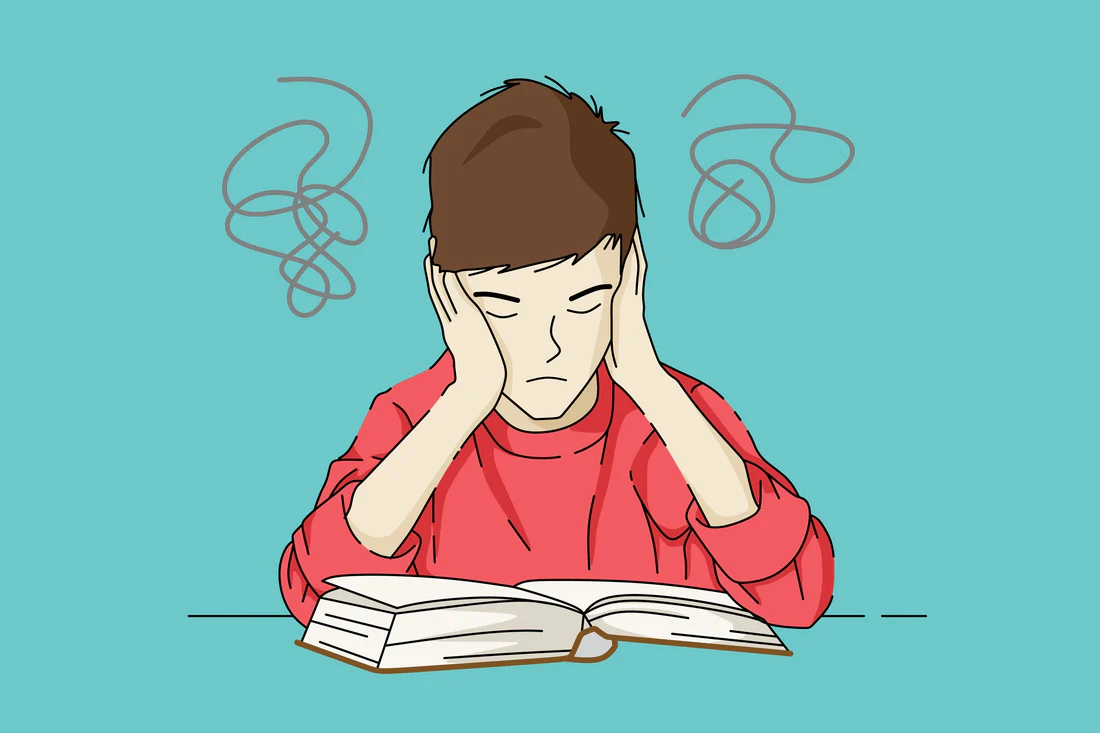
Common symptoms include trouble paying attention or staying focused, frequent fidgeting or inability to sit still, talking excessively or interrupting, difficulty following instructions or completing tasks, forgetfulness and disorganization, and impulsive behavior or emotional outbursts. Symptoms often become more noticeable once school starts.
How is ADHD in children diagnosed?
For a child's behavior to be considered ADHD, symptoms must be present for at least six months and affect multiple settings, such as both home and school.
What are the treatment options for a child with ADHD?
Treatment often involves a combination of behavioral therapy to build self-control and social skills, parent training, school support such as IEPs or 504 plans, and sometimes medication like stimulants in moderate to severe cases. A tailored plan created with a pediatrician or child psychologist is essential for best results.
What are the different types of ADHD in children?
Children can be diagnosed with one of three types: Predominantly Inattentive Type, where the child appears distracted or forgetful; Predominantly Hyperactive-Impulsive Type, with constant movement and impulsiveness; and Combined Type, which includes features of both.