Blog
Overcoming Behavioral Challenges in ADHD with Sensory Toys
July 8, 2024
Overcoming Behavioral Challenges in ADHD with Sensory Toys





Author: DrSensory Team
July 8, 2024
ADHD and Autism Spectrum Disorders can present challenges for children, including difficulties with focus, anxiety, and sensitivities to sensory input. Parents of children with these conditions may struggle to find ways to support their child’s needs. However, sensory toys have been found to be a helpful resource for creating a comfortable space that can enhance focus and manage anxiety.
Sensory toys are designed to meet the unique needs of all sensory-seeking children, especially those with ADHD and Autism Spectrum Disorders. They can provide a safe and calming environment for children to explore, play, and learn. These toys are designed to stimulate the senses and provide a positive sensory experience, helping to create a balanced sensory input environment.

One of the most popular sensory toys for children with ADHD is a weighted blanket. Weighted blankets are designed to provide deep pressure stimulation, which can help to calm and relax the body. According to a study published in The Journal of Occupational Therapy, the use of a weighted blanket can improve sleep quality and decrease daytime anxiety in children with ADHD and autism.

Another sensory toy that has been found to be helpful in improving focus and reducing anxiety in children with Autism Spectrum Disorders and ADHD is a fidget toy. Fidget toys are small, handheld toys that can be squeezed, twisted, and manipulated to help manage anxiety and improve focus. They have been found to be helpful for children who have difficulty sitting still or focusing their attention for extended periods of time.

Chewable jewelry is another popular sensory toy for children with ADHD. Many children with ADHD tend to chew on objects, which can be distracting and even dangerous. Chewable jewelry provides children with a safe and appropriate object to chew on, helping to reduce anxiety and improve focus.

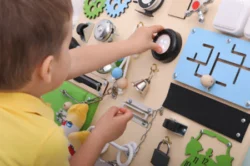
Sensory boards are another sensory tool that can be useful for children with ADHD. Sensory boards are large boards with various textures, shapes, and objects attached to them. This can provide a tactile experience for all children – helping not only to improve focus and sensory processing skills, but also allowing for exploration and learning.

Sensory swings can also be helpful for children with ADHD and Autism Spectrum Disorders. Sensory swings provide rhythmic movement and a sense of weightlessness, which can be calming and relaxing for children. They can help to improve coordination, balance, and body awareness, as well as reducing anxiety and improving focus.

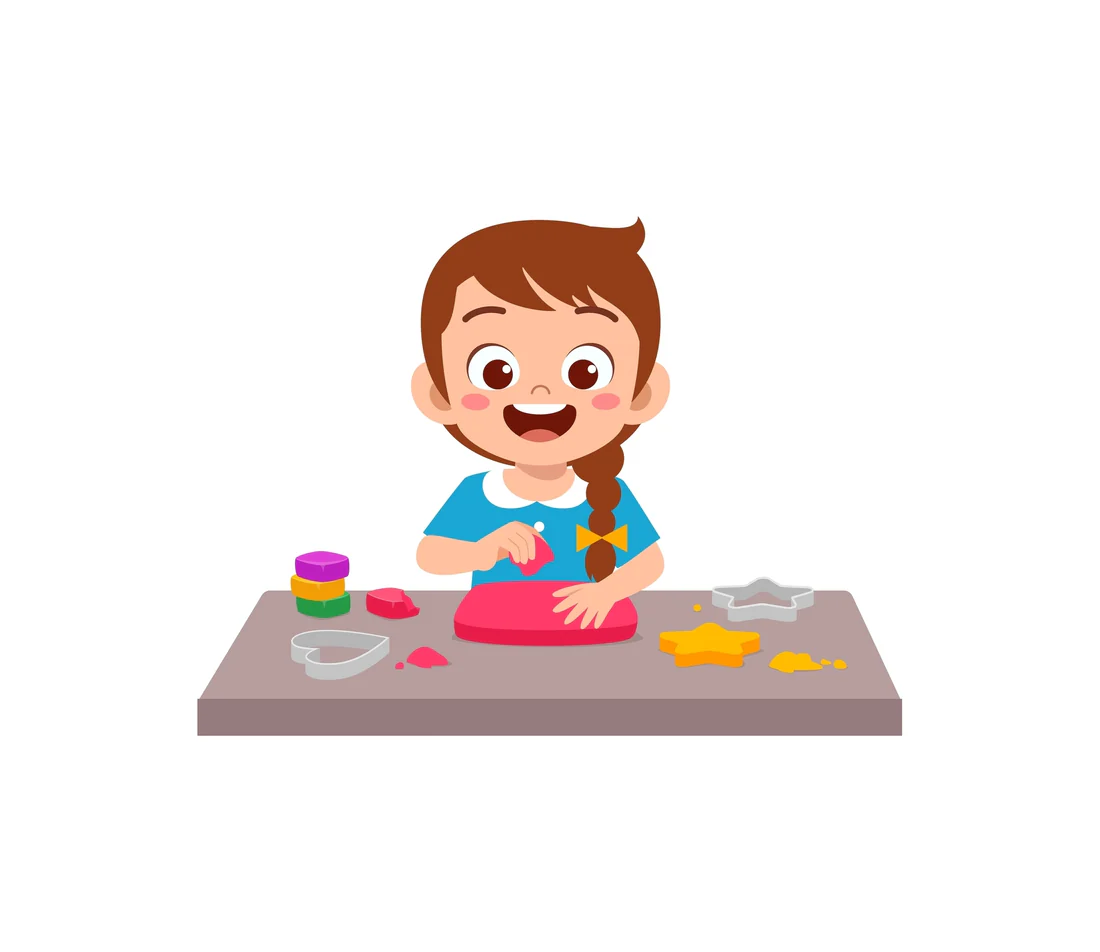
Other popular sensory toys for children with ADHD include stress balls, play-dough, magnetic sand, and foam blocks. These toys provide a tactile experience that can be helpful for reducing anxiety and improving focus. They are also versatile and can be used in a variety of settings, from the classroom to the home.
In addition to using sensory toys as a tool for managing ADHD and Autism Spectrum Disorder, it is also important to focus on creating a sensory-friendly environment. This can include adding soft lighting, reducing noise, and using calming scents such as lavender or chamomile.
Other strategies that can be helpful for managing ADHD and Autism Spectrum Disorders include regular exercise, mindfulness practices, and a healthy diet. These strategies can help to reduce stress and manage symptoms.
In conclusion, sensory toys can be a helpful resource for all children, especially those diagnosed with ADHD and Autism Spectrum Disorders. They can provide a safe and calming environment that can improve focus, reduce anxiety, and provide positive sensory experiences. It is important to focus on creating a sensory-friendly environment and utilizing a variety of strategies to manage symptoms. With the right tools and support, children with ADHD and Autism Spectrum Disorders can thrive.
Quick Summary: Supporting adults with autism in the workplace requires targeted accommodations that address sensory sensitivities and communication differences. Effective
Quick Summary: Physical therapy is a highly effective, evidence-based treatment for individuals with Autism Spectrum Disorder (ASD). It focuses on
Quick Summary: An Individualized Education Program (IEP) provides specialized instruction and related services for students who need customized educational support
Quick Summary: There is no single treatment for Autism Spectrum Disorder (ASD), as every autistic individual has unique strengths and
Your child is constantly moving, crashing into furniture, or having meltdowns in response to seemingly minor things like a loud




Your toddler refuses to wear certain clothes, has huge meltdowns in noisy places, or is an extremely picky eater, limited
The intense head pain begins, lights feel blindingly bright, and every sound seems amplified to an unbearable level. You retreat
You watch your child struggle with things that seem to come so easily to other kids. Maybe they have meltdowns
Your child is constantly in motion, has trouble focusing on homework, and often experiences big emotional meltdowns. Is it ADHD?
The house is finally quiet, but you know the night is far from over. For many parents of children with
As a parent, you are the expert on your child. You know their unique quirks, their joys, and their struggles.
The school environment is a busy, dynamic place filled with learning, social interactions, and a wide array of sensory experiences.
Have you ever noticed how one child might run toward the loudest, most chaotic part of the playground, while another
As a parent, you are keenly aware of your child’s unique personality and behaviors. Sometimes, you may notice reactions or
Children with sensory processing differences often experience the world in ways that affect their oral health, behavior, and dental care
Separation anxiety can feel really hard for both kids and parents. For families with kids who have special needs, it
Sensory Integration Therapy (SIT) has emerged as a powerful tool for children and adults facing sensory processing difficulties. Often seen
Your child is constantly moving, crashing into furniture, or having meltdowns in response to seemingly minor things like a loud
Your child is constantly in motion, has trouble focusing on homework, and often experiences big emotional meltdowns. Is it ADHD?
The school environment is a busy, dynamic place filled with learning, social interactions, and a wide array of sensory experiences.
Separation anxiety can feel really hard for both kids and parents. For families with kids who have special needs, it
Supporting kids with ADHD takes more than reminders and patience. For parents and educators, understanding ADHD and providing the right
Attention Deficit Hyperactivity Disorder (ADHD) and Sensory Processing Disorder (SPD) are two conditions frequently discussed in pediatric development and mental
Sensory overload occurs when one or more of the body's senses become overstimulated by external stimuli. For individuals affected, this
Raising a child with ADHD (Attention-Deficit/Hyperactivity Disorder) presents unique challenges, requiring patience, understanding, and adaptability. However, with the right strategies
Sensory diets are systematic and individualized strategies that help modify or meet sensory needs, particularly benefiting children and adults with
25 Sensory Activities and Exercises for Kids with Sensory Processing Disorder and ADHD If your child has Sensory Processing Disorder
Children with Attention-deficit/hyperactivity disorder (ADHD) and Autism Spectrum Disorders (ASD) face difficulties in regulating their emotions and sensory input from
How Sensory Toys Help with ADHD: A Detailed Guide If you are a parent of a child with ADHD or
Quick Summary: Supporting adults with autism in the workplace requires targeted accommodations that address sensory sensitivities and communication differences. Effective
Quick Summary: Physical therapy is a highly effective, evidence-based treatment for individuals with Autism Spectrum Disorder (ASD). It focuses on
Quick Summary: An Individualized Education Program (IEP) provides specialized instruction and related services for students who need customized educational support
Quick Summary: There is no single treatment for Autism Spectrum Disorder (ASD), as every autistic individual has unique strengths and
Your child is constantly moving, crashing into furniture, or having meltdowns in response to seemingly minor things like a loud
Your child seems to miss verbal instructions, struggles to follow conversations in noisy environments, and often asks "what?" even when
On the surface, autism and Ehlers-Danlos syndrome (EDS) might seem like two entirely unrelated conditions. One is a neurodevelopmental condition
The house is finally quiet, but you know the night is far from over. For many parents of children with
A bustling school cafeteria, a crowded birthday party, or the sudden roar of a vacuum cleaner—for many, these are just
Watching your child grow and develop is one of the most rewarding parts of being a parent. But when communication
Separation anxiety can feel really hard for both kids and parents. For families with kids who have special needs, it
Separation anxiety can be tough on any child, but for children with special needs, it often goes hand in hand
Your toddler refuses to wear certain clothes, has huge meltdowns in noisy places, or is an extremely picky eater, limited
The jump to middle school is a significant academic and social leap. Suddenly, students are juggling multiple teachers, changing classes,
Enamel hypoplasia is a developmental condition where the outer layer of the tooth (enamel) forms incompletely or is thinner than
Misaligned teeth or jaws, known as malocclusion, can begin developing during early childhood—even before all the baby teeth have erupted.
Oral reflexes are critical in early infancy, supporting feeding, speech, and oral motor development. These automatic responses help babies nurse,
Your child’s first dental appointment is an important step in their oral health journey. Early visits help prevent dental issues
White spots on children's teeth are a common concern for parents—but are they harmless or a sign of something more
Pacifiers can be a soothing tool for infants, but prolonged use may interfere with oral development and speech. Parents often
An often-overlooked link in pediatric development is how a child's breathing patterns impact their oral skills, including chewing, swallowing, speech,
Teeth grinding, or bruxism, isn’t just a sleep‑time issue—it can happen during the day too. Daytime grinding, known as awake
Baby bottles play a vital role in infant nutrition—but prolonged or improper use can interfere with your child’s oral motor
Dental X-rays are a vital part of pediatric dental care, helping dentists assess your child’s oral health beyond what can
Bringing a new baby home is a time filled with joy, learning, and a host of new worries. One of
Separation anxiety can feel really hard for both kids and parents. For families with kids who have special needs, it
Picture this scene: You’ve finally gotten your baby into a comfortable sleep routine. Nights are restful, naps are scheduled, and
Sleep regressions can feel like an uphill battle for parents. One moment your baby is sleeping soundly, and the next,
Sleep regressions are a temporary yet challenging phase many parents encounter as their babies and toddlers grow. Understanding the approximate
Sleep regressions. The phrase alone can strike fear into the hearts of even the most seasoned parents. If your baby
Sleep regressions can feel like a relentless obstacle to parents striving for a peaceful night's rest. But you're not alone,
Supporting kids with ADHD takes more than reminders and patience. For parents and educators, understanding ADHD and providing the right
Sensory Integration Therapy (SIT) has emerged as a powerful tool for children and adults facing sensory processing difficulties. Often seen
Sensory diets can be powerful tools for supporting children with Sensory Processing Disorder (SPD). But what exactly is a sensory
Why does my child cover their ears at birthday parties? Why do the seams on socks cause meltdowns, or loud
How are anxiety and sensory processing challenges connected, especially in kids? Many parents and helpers see that children with Sensory
Picture this scene: You’ve finally gotten your baby into a comfortable sleep routine. Nights are restful, naps are scheduled, and
Sleep regressions can feel like an uphill battle for parents. One moment your baby is sleeping soundly, and the next,
Sleep regressions are a temporary yet challenging phase many parents encounter as their babies and toddlers grow. Understanding the approximate
Sleep regressions. The phrase alone can strike fear into the hearts of even the most seasoned parents. If your baby
Sleep regressions can feel like a relentless obstacle to parents striving for a peaceful night's rest. But you're not alone,
Supporting kids with ADHD takes more than reminders and patience. For parents and educators, understanding ADHD and providing the right
Sensory Integration Therapy (SIT) has emerged as a powerful tool for children and adults facing sensory processing difficulties. Often seen
Sensory diets can be powerful tools for supporting children with Sensory Processing Disorder (SPD). But what exactly is a sensory
Why does my child cover their ears at birthday parties? Why do the seams on socks cause meltdowns, or loud
How are anxiety and sensory processing challenges connected, especially in kids? Many parents and helpers see that children with Sensory
Raising a child with dyslexia can feel overwhelming at times, but it’s important to remember that you are not alone.
Independence is an essential milestone in the development of any child, and for children with special needs, it holds even
The persistent ache in your jaw, the clicking or popping sound when you chew, and the recurring headaches can be
Bringing a new baby home is a time filled with joy, learning, and a host of new worries. One of
Enamel hypoplasia is a developmental condition where the outer layer of the tooth (enamel) forms incompletely or is thinner than
Misaligned teeth or jaws, known as malocclusion, can begin developing during early childhood—even before all the baby teeth have erupted.
Oral reflexes are critical in early infancy, supporting feeding, speech, and oral motor development. These automatic responses help babies nurse,
Your child’s first dental appointment is an important step in their oral health journey. Early visits help prevent dental issues
White spots on children's teeth are a common concern for parents—but are they harmless or a sign of something more
Pacifiers can be a soothing tool for infants, but prolonged use may interfere with oral development and speech. Parents often
An often-overlooked link in pediatric development is how a child's breathing patterns impact their oral skills, including chewing, swallowing, speech,
Teeth grinding, or bruxism, isn’t just a sleep‑time issue—it can happen during the day too. Daytime grinding, known as awake
Baby bottles play a vital role in infant nutrition—but prolonged or improper use can interfere with your child’s oral motor
Dental X-rays are a vital part of pediatric dental care, helping dentists assess your child’s oral health beyond what can
Because staying in the loop is important
Learn, Grow, and Find a Therapist near you. Currently Serving PT, OT, and SLP Professions.
Because staying in the loop is important
Learn, Grow, and Find a Therapist near you. Currently Serving PT, OT, and SLP Professions.
Because staying in the loop is important
Learn, Grow, and Find a Therapist near you. Currently Serving PT, OT, and SLP Professions.
Explore DrSensory Read ArticlesBecause staying in the loop is important
FREE NewsletterLearn, Grow, and Find a Therapist near you. Currently Serving PT, OT, and SLP Professions.
Explore DrSensory Read ArticlesBecause staying in the loop is important
FREE NewsletterLearn, Grow, and Find a Therapist near you. Currently Serving PT, OT, and SLP Professions.
Explore DrSensory Read ArticlesBecause staying in the loop is important
FREE NewsletterLearn, Grow, and Find a Therapist near you. Currently Serving PT, OT, and SLP Professions.
Because staying in the loop is important
Fill out the form below, and we’ll be in touch shortly.
Join thousands of parents and educators each week