
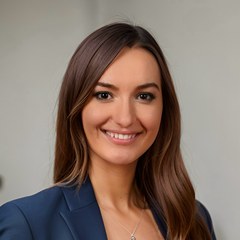
What Dr. Eva Lassey, PT, DPT reviews
A credential only means something when its limits are clear, so here are hers.
She reviews
- Sensory processing and sensory integration
- Motor development, coordination, and motor planning
- Physical therapy — pediatric and adult
- Neurological rehabilitation
- Orthopedic and post-surgical recovery
- Balance, falls, and geriatric content
- Sports and activity-related rehabilitation
- Occupational therapy content, where it concerns motor and sensory function
- Pelvic health
- Pulmonary and respiratory rehabilitation, the therapy that follows treatment, not the medical management of the condition
- Hand therapy, oncology, and cardiopulmonary rehabilitation, the rehabilitation portions of these specialties — not diagnosis, medication, or medical treatment
She does not review
- Speech-language pathology
- Mental health and behavioral conditions
- Dental and oral development — reviewed by Dr. Yana Pekarski, DDS
- Medication and pharmacological content
Dr. Eva Lassey's background
Education and training
She completed her undergraduate degree at the University of California, San Diego, and her Doctor of Physical Therapy at the University of Nevada, Las Vegas.
Her clinical rotations included the Vanderbilt University Rehabilitation Center alongside outpatient clinics — a mix that put inpatient rehabilitation and community-based practice side by side early on.
Research
Before clinical practice she spent several years in research at the UC San Diego School of Medicine, under Professor Nigel Calcutt, whose laboratory studies diabetic neuropathy and peripheral nerve damage.
That work shapes how the neurological content here is written — particularly the parts about how nerve damage presents before anyone has a name for it.
Clinical practice
She has maintained clinical care throughout, with an emphasis on acute care, seeing patients of all ages across a wide range of conditions — trauma ICU, neuro ICU, cardiac ICU, orthopedic units, and neurosurgical units.
That matters for what's written here. Acute care is where you see the earliest point in a recovery, and how much of what follows is decided in the first days.
The through-line is function — not what a condition is called, but what someone is trying to do and what's making it difficult.
Selected areas
Corrections
If something reviewed under this byline is wrong, we want to know. Email hello@drsensory.com with the page and what's incorrect. We check it, correct it if warranted, and update the page date.
That applies to clinicians too. If we've mischaracterized something in your field, we'd rather hear it.
Also on DrSensory

Dr. Yana Pekarski, DDS
Dental & Oral Development Expert
Reviews the site's dental and oral development content.

Nicole Brewer, CPC, LCADC
Mental & Behavioral Health Reviewer
Reviews the site's anxiety, trauma and behavioral regulation content.
Last updated August 26, 2026. Content on DrSensory is for general educational purposes and does not constitute medical advice, diagnosis, or treatment.